Large Scale Pilots (LSP) are projects in which technological solutions are deployed at large scale in real-world environments to assess their performance and impact, and identify potential obstacles before full implementation.
LSP success depends largely on effective communication and coordination among its participants, not only at an organisational level but also at a technical level. To make it posible, platforms provide shared testing environments where different entities can validate their solutions within a common framework, ensuring proper interoperability.
In the context of digital identity in Europe, one of the current LSPs is the WE BUILD Consortium, a project focused on Business Wallet use cases applied to B2B, B2G and B2C interactions, bringing together more tan 190 organisations from across EU Member States.
Interoperability and validation at the ITB
To ensure interoperability across different implementations, WE BUILD members have access to the Interoperability Testbed (ITB), a testing environment designed to automatically assess compliance with the specifications defined by the Consortium.
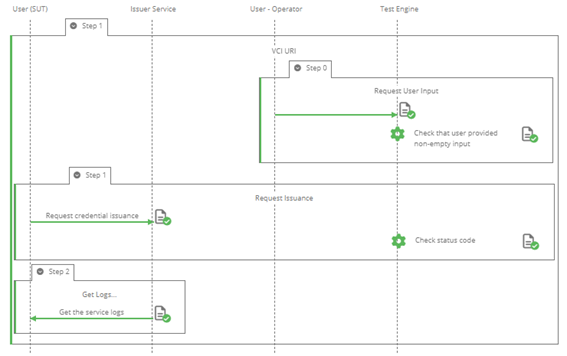
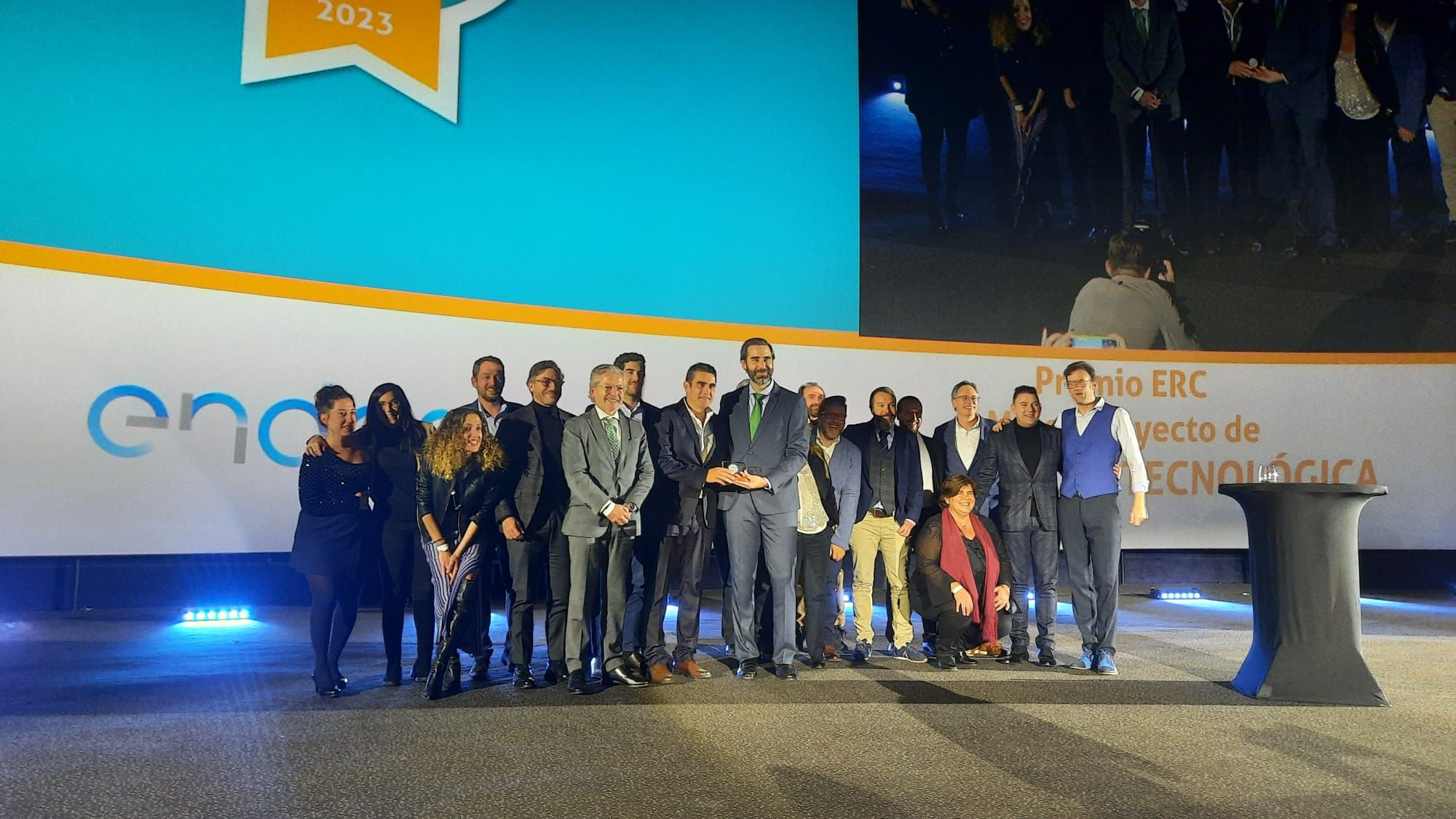
Within this framework, Digitel TS has become the first Qualified Trust Service Provider (QTSP) to successfully complete issuance and presentation testing of verifiable credentials, demonstrating compliance with the project’s specifications.
This milestone reflects months of work during which the Digitel TS team has analysed the international standards shaping the project’s technical requirements, as well as the specifications developed within the Consortium itself.
Technical fundamentals: ARF, EUDIW and Conformance Specifications
The ITB is based on a set of Conformance Specifications (CS), derived from the Architecture Reference Framework (ARF) of the European Digital Identity Wallet (EUDIW), which defines the architectural and functional principles of the European digital identity ecosystem.
The WE BUILD ecosystem relies on the OpenID for Verifiable Credential Issuance (OIDC4VCI) and OpenID for Verifiable Presentations (OIDC4VP) protocols, both part of the OpenID standard, enabling the secure issuance and presentation of credentials, respectively.
Issuing and presenting verifiable credentials
In the issuance flow, the digital Wallet authenticates its holder to the issuer through OAuth 2.0-based authorization mechanisms, receiving a verifiable credential electronically signed by the issuer, which is then stored in the Wallet.
In the presentation Flow, the Wallet uses a stored credential to generate a signed presentation that proves the holder’s identity to a verifier. The electronic signatura allows the verifier to validate the authenticity of the credential without needing to contact the issuer.
Boosting the European digital identity ecosystem
The milestone represents meaningful progress, with further work ahead. The Digitel TS team continues to contribute to the advancement of the European digital identity ecosystem, collaborating on interoperable infrastructures supported by trust services that strengthen security and trust in digital interactions.